
How to Eliminate Cat Urine Odor (A Practical Guide for Cat Owners)

1. Why Does Cat Urine Smell So Strong?
Cat urine is chemically complex. It contains urea, uric acid, creatinine, sodium, pheromones, bacteria, and other compounds.
When fresh, bacteria begin breaking down urea, producing that familiar ammonia-like smell. As decomposition continues, more pungent sulfur compounds (like mercaptans) are released, making the odor even stronger over time.
Some cases are worse than others:
- Older cats often produce stronger-smelling urine due to reduced kidney function
- Unneutered male cats have higher hormone levels, making their urine significantly more pungent

2. Why Does the Smell Come Back After Cleaning?
This is the part most people misunderstand.
Many components in cat urine are water-soluble, including:
- urea
- creatinine
- urobilin
These can be removed with regular cleaning products like vinegar, baking soda, or detergent.
But uric acid is the real problem.
- It is not water-soluble
- It binds tightly to surfaces (fabric, wood, carpet)
- It forms urate crystals that can remain for years
When exposed to moisture or humidity, these crystals reactivate, releasing odor again—even if the area seemed clean before.
👉 This is why cat urine smell can persist for months or even years.
3. “I Can’t Smell It—Why Does My Cat Still Pee There?”
Because your cat can.
Cats have a sense of smell at least 6 times stronger than humans, plus an additional sensory organ (the vomeronasal organ) that detects chemical signals we can't perceive.
Even when a spot smells “clean” to you:
- Residual uric acid may still be present
- Your cat can detect it easily
- It signals: “This is a bathroom spot”
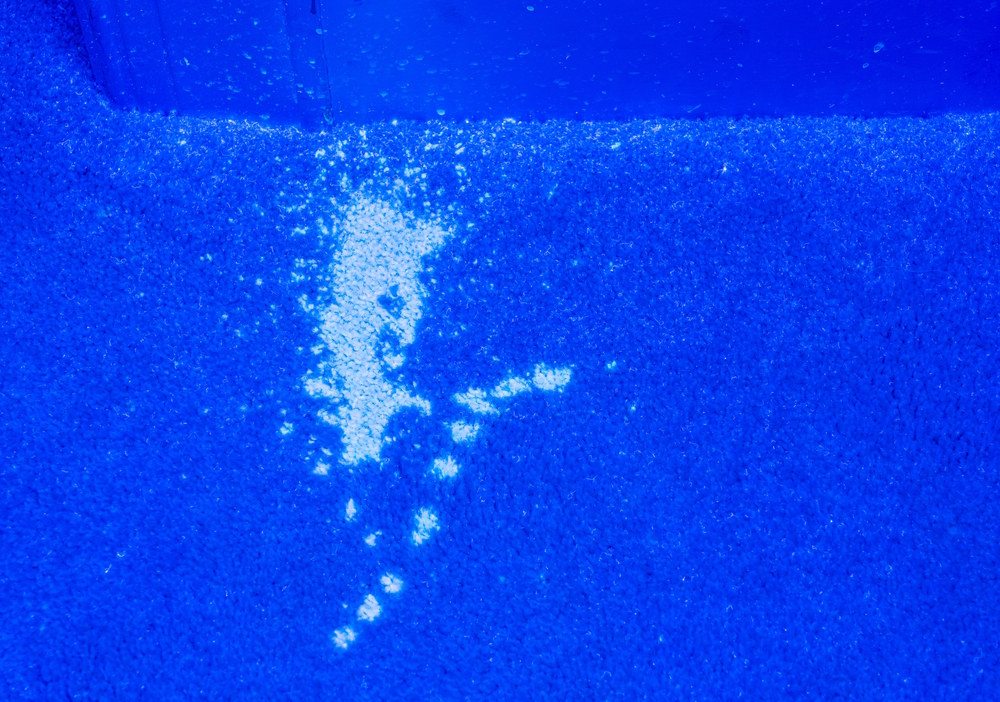
Under UV light, these residues are often still visible.
4. What Makes Enzymatic Cleaners Different?
Most household cleaners fall into two categories:
- Masking odors
- Cleaning surface-level residues
They do not break down uric acid.
Enzymatic cleaners are different:
They contain bio-enzymes (proteases and related compounds) that:
- Break down uric acid at the molecular level
- Destroy odor-causing bacteria
- Convert residues into harmless substances like water and carbon dioxide

👉 This is the only effective long-term solution.
My Experience as a Cat Owner (And What Actually Worked)
When I first brought my cat Milo home, I had no idea what I was getting into.
The first night, she peed on my bed—twice.
I washed everything. The smell seemed gone… until it dried. Then it came back.
Soon it got worse:
- New environment stress
- Heat cycle
- Missed litter box cleaning
She started peeing everywhere—bed, clothes, carpet.
I was honestly losing my mind.

The turning point
Once I started using an enzymatic cleaner, everything changed.
Now:
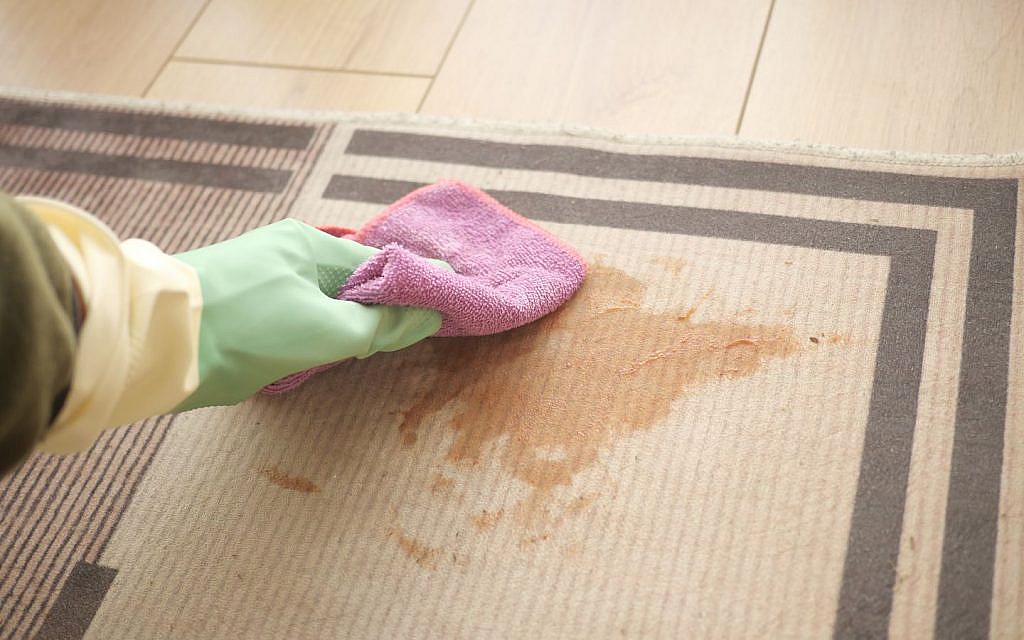
- I blot the urine immediately
- Spray the cleaner
- Let it fully break down the residue
Even deep carpet odors disappear.
Important tip:
- Always blot first (don’t rub!)
- Never use steam cleaners or heat → heat locks in the stain and smell
The Unexpected Benefit: Behavior Change
Here’s something I didn’t expect:
After thoroughly removing the odor markers, Milo stopped returning to the same spots.
Without those invisible scent signals:
👉 She gradually formed a consistent litter box habit
This is a huge deal.
Because in many cases, cats aren’t being “bad” — they’re following scent cues.
Why This Method Works So Well
A high-quality enzymatic cleaner works because it:
- Targets uric acid directly (the root cause)
- Eliminates up to 96.9% of odor molecules
- Breaks them down into non-toxic substances
- Is safe for pets and humans (when properly formulated)
- Leaves no irritating residue

Final Takeaway
👉 99% of persistent pet odors come from uric acid residue
If you don’t eliminate it completely:
- The smell will return
- Your cat will return too
If you do:
- The odor is truly gone
- The behavior often improves
Use the right method, and this problem becomes surprisingly manageable.
Browse our recommended odor eliminator sprays here:
👉 [Shop the Best Cat Urine Odor Removers]